

Yak Wool: The Natural, Fine Fiber
What is Yak Wool?
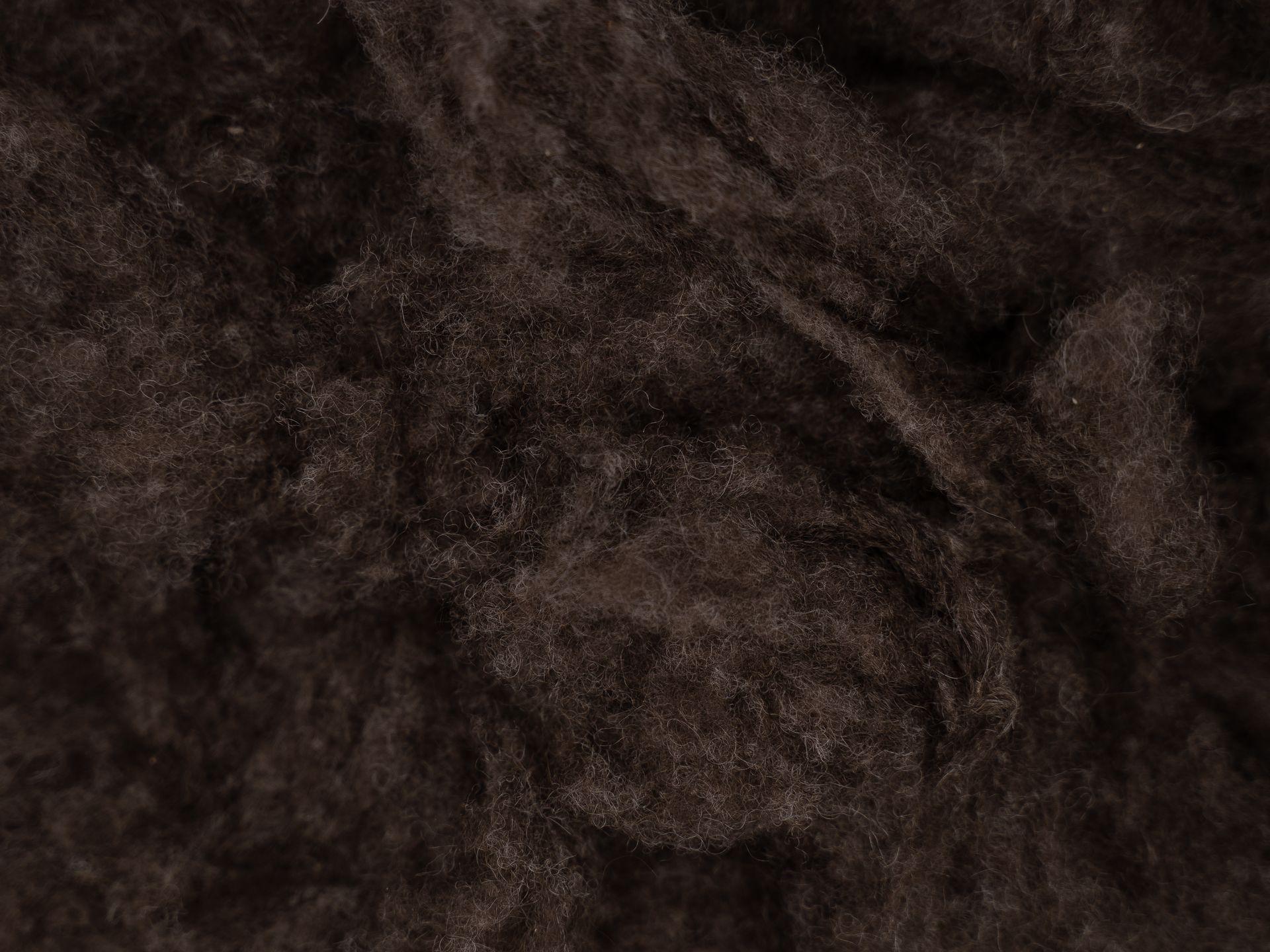
Yak wool is the wool obtained from the undercoat of yaks. The wool is combed from the coats of domesticated yaks once a year. Yaks are large bovids that live primarily in the Himalayan regions of Tibet, Nepal, Bhutan, and Mongolia. Their wool has many special properties that make it an excellent material for warm, lightweight, and well-insulated clothing.
What makes Yak Wool special?
Yak wool is far more than ordinary wool. It is one of the most exclusive and valuable fibers, known for its incredible softness, outstanding warmth, and astonishing lightness. The fine undercoat surpasses many other types of wool in terms of softness and is often comparable to cashmere. Due to the structure of yak hair, the wool is particularly insulating and lightweight. This is another reason why yak wool is especially popular for the production of clothing and accessories worn in cold climates.
How does Yak Wool compare to other Types of Wool?
Comparison of Yak Wool with Camel and Sheep Wool
The Properties of Yak Wool
Softness and Lightness: Yak wool is known for its extraordinary softness. It is finer than sheep's wool and is often compared to cashmere, making it a preferred choice for high-quality, luxurious textiles.
Warm and Light: Wool offers excellent insulating properties. Yak wool is particularly warm and therefore ideal for extra-warm clothing. The wool fibers are also hollow on the inside, making them feel light when worn. The combination of warmth and light weight makes them particularly popular in the fashion industry.
Breathability and Moisture Management: Like most wool, yak wool is particularly good at absorbing and releasing moisture, which helps regulate body temperature and makes it especially comfortable to wear.
Hypoallergenic: For people with sensitive skin or allergies to other types of wool, yak wool is often a good alternative because it is hypoallergenic.
Sustainability: The production of yak wool is often more sustainable than that of cashmere, as yaks live and graze naturally in harsh climates. Unlike cashmere goats, yaks graze exclusively on the grass and do not bite off the roots. This helps protect biodiversity more effectively and reduces the risk of desertification.
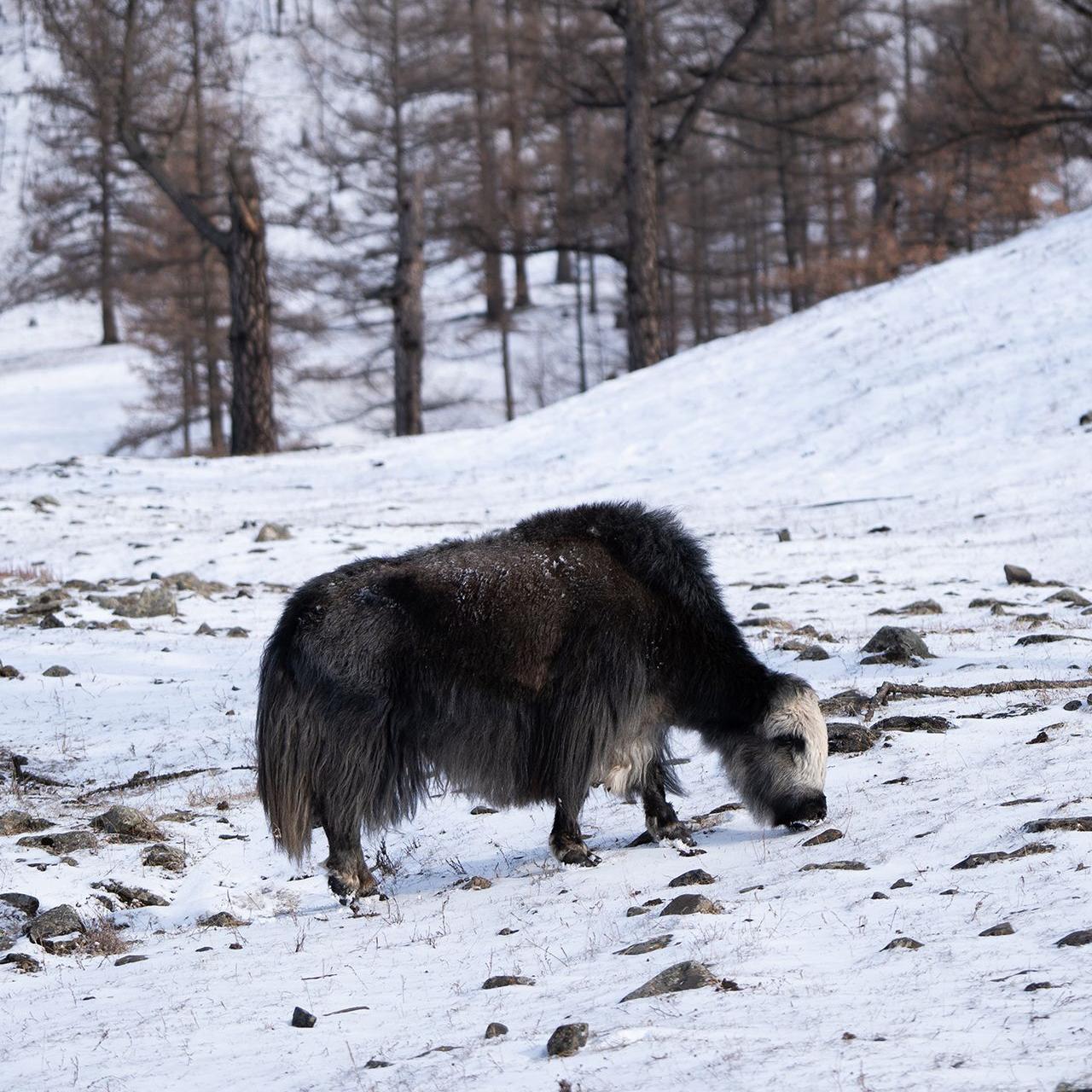
Colors: Yak wool comes in a natural color palette that ranges primarily from earth tones—such as black, brown, light brown, dove gray, and gray.
How do Yaks live?
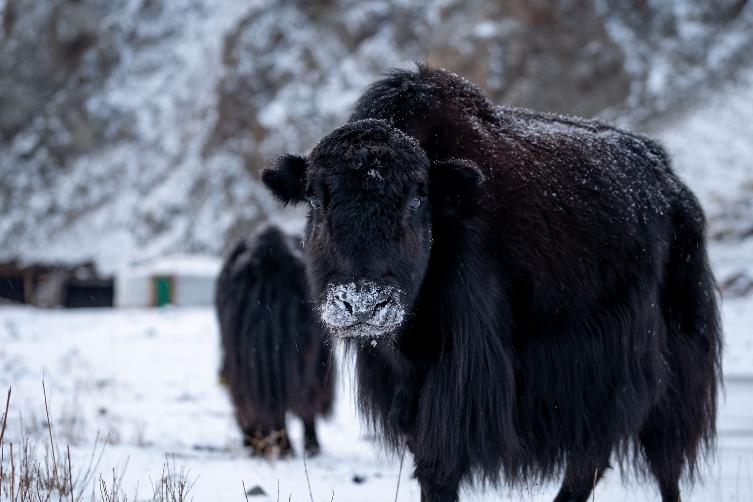
Yaks inhabit the rugged mountain regions of Mongolia. Yaks have a thick coat of coarse hair and a soft undercoat that keeps them particularly warm on the cold plateaus of Central Asia. The animals live primarily in the rugged mountain regions between Bhutan, China, Nepal, and Mongolia. Since they live at high altitudes, the yaks in Mongolia must be adapted to extreme temperature fluctuations.
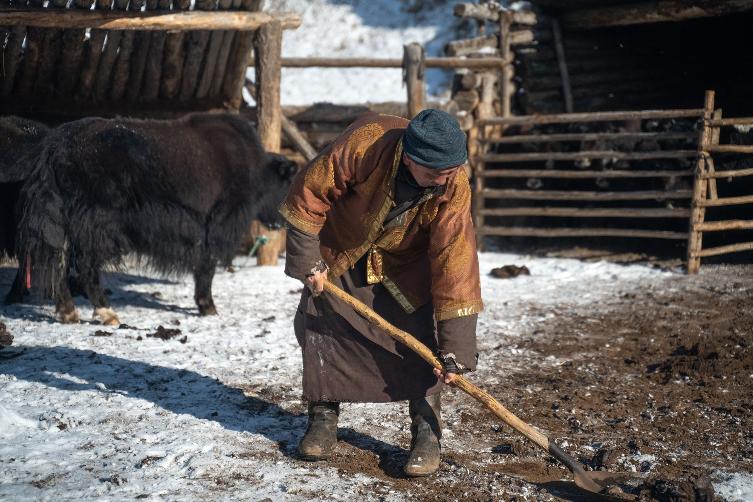
Most yaks are domesticated and live in Mongolia in close symbiosis with nomadic families. The animals provide the families with milk, hides, meat, and fine wool. The wool is an annual source of income for the nomads when it is combed in June and sold at the upcoming markets.
Yaks and Nomads in Mongolia
In the summer, temperatures can reach up to 30° C, while in the winter they can drop to -50° C. Their fluffy, multi-layered wool coat protects yaks from freezing in the winter—and, thanks to its excellent breathability, ensures that they sweat less in the summer.
With yaks, a distinction is made between a layer of coarser guard hair or long hair and a layer of fine, spinnable undercoat, also known as fine wool. Our yak wool is produced from the undercoat, also known as fine wool. Although the yak may seem rather sluggish, it can also be very spirited and is, moreover, a skilled climber. So far, this wool is still very exclusive, but it is gaining popularity due to its special properties. The undercoat consists of very fine fibers measuring about 17 micrometers and therefore feels similar to cashmere.