Camel wool: Unique wool from the desert
What is camel wool?
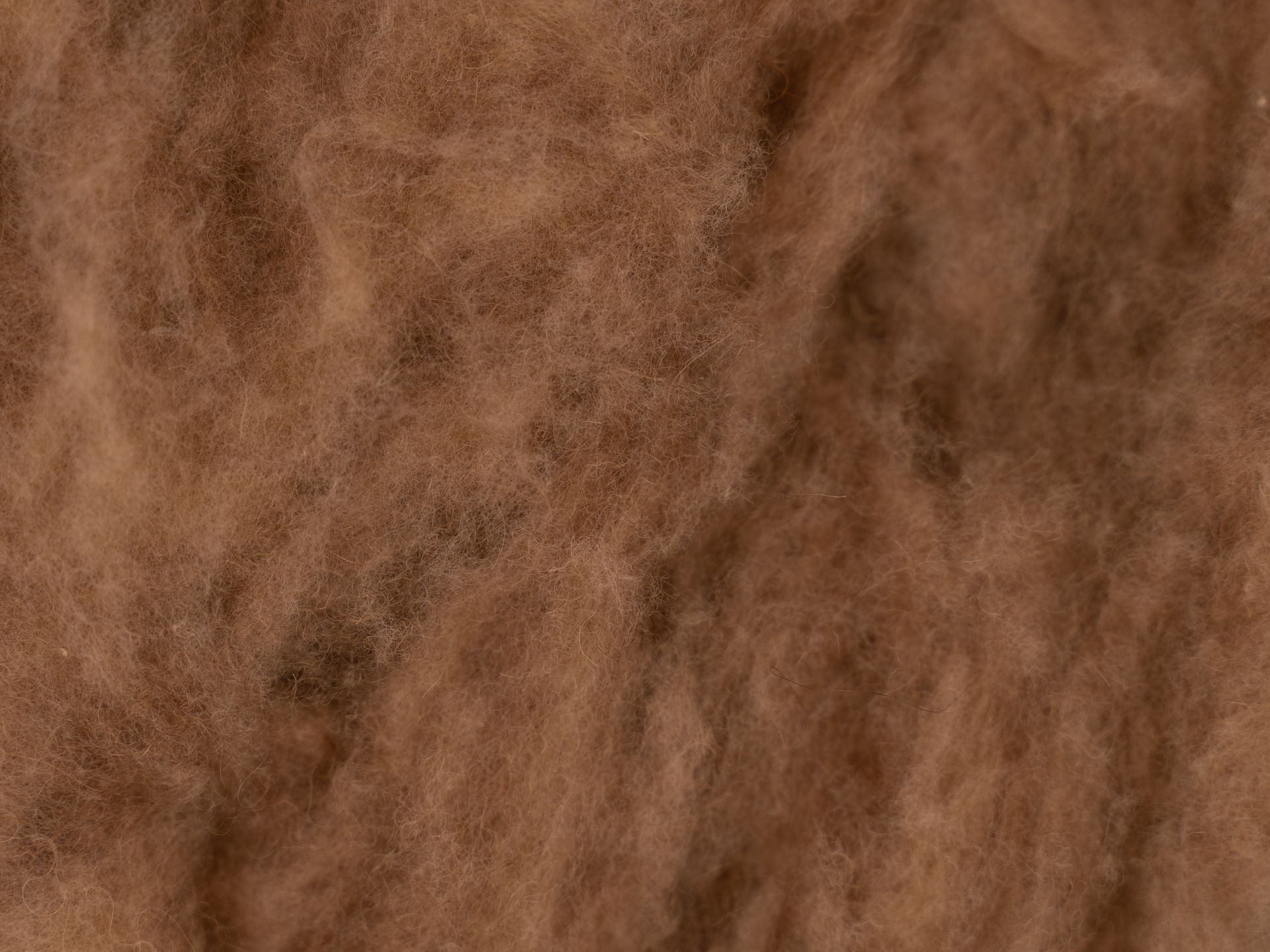
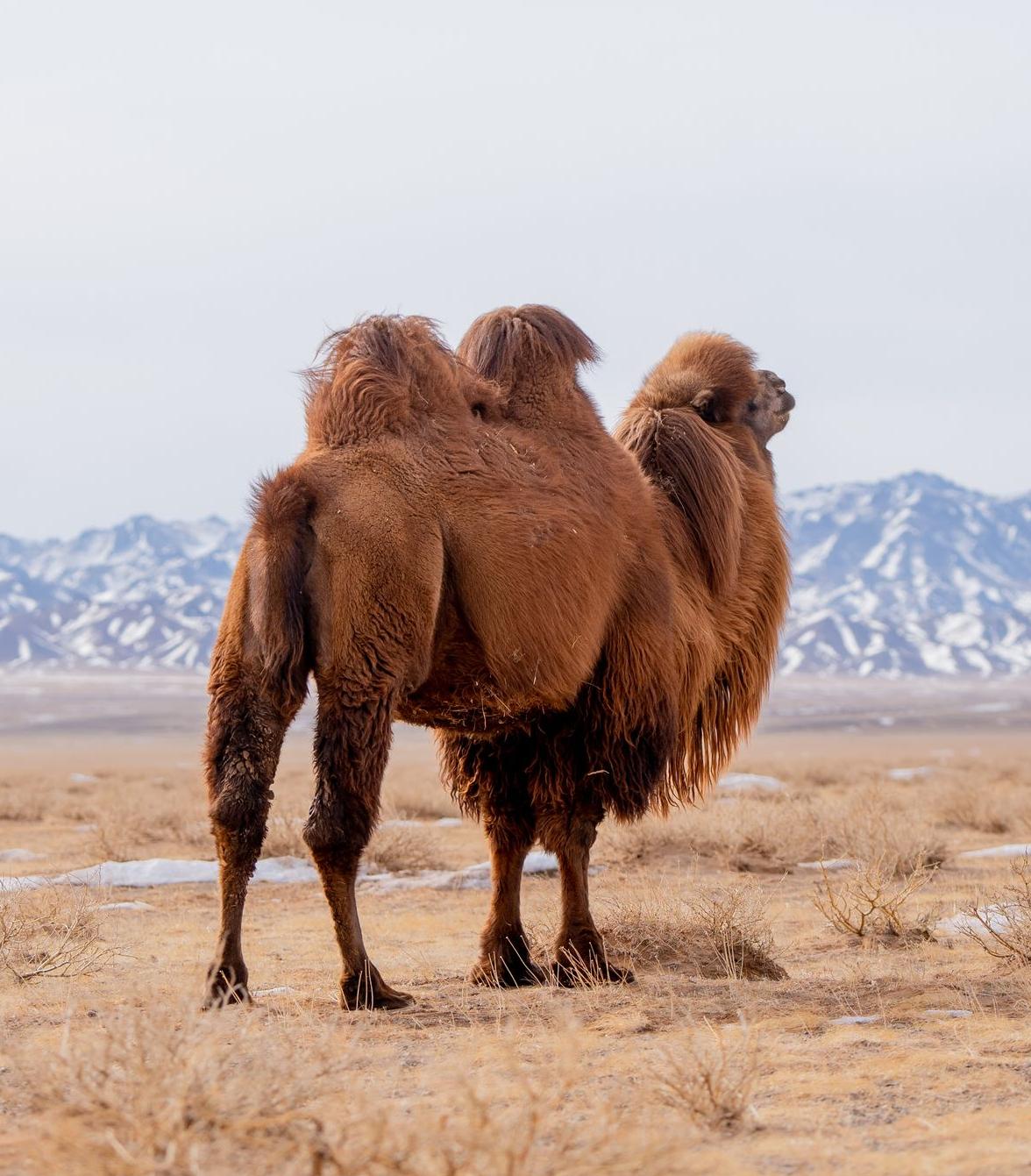
Camel wool is a natural fiber that is mainly obtained from two-humped camels in Central Asia. Due to the extremely cold temperatures in the winter months, bactrain camels in Mongolia grow a dense coat of wool. This makes camels true experts in adapting to extreme temperature differences. In summer, their wool falls off in thick tufts. Most camels are kept as livestock by nomads, who in turn shear their wool in June and sell it on for textile production.
Why is camel wool special?
The fibers of camel wool store body heat particularly well, but can also have a cooling effect. Camel wool therefore has particularly temperature-regulating properties. These characteristics make camel wool an extremely popular material for comforters. Another area of application for camel wool in the textile industry is coats, which are particularly popular due to their beige and caramel brown color.
How does camel wool compare?
Compare camel wool with sheep and yak wool
The properties of camel wool
Warmth: Camel wool offers excellent thermoregulatory properties, meaning that it is able to retain heat in cold conditions and provide breathability in warmer conditions. Camel hair has these properties because camels live in extremely changeable climates. In the Gobi desert, temperatures fluctuate between -35 °C and +35 °C per year. Camel wool is also the preferred material for bedding and comforters due to its thermoregulation properties.
Moisture regulation: Camel wool can absorb and release moisture, which makes it particularly comfortable. Like most wool fibers, camel hair can absorb up to a third of its own weight in moisture.
Durability: Camel wool is hard-wearing and has a natural elasticity that helps textiles made from camel wool to retain their shape. With camel wool socks, however, you need to pay attention to how high the synthetic fiber content is in order to assess the durability.
Hypoallergenic: For people with sensitive skin or allergies to other types of wool, camel wool is a better alternative to virgin wool as it is hypoallergenic.
Animal welfare and sustainability: The production of camel wool is environmentally friendly and animal welfare-conscious, as camels live in areas with limited agriculture and nomads treat their animals gently to avoid stress during wool production.
Colors: Camel wool comes in a natural color palette of beige and caramel brown. Clothing made from camel wool is often undyed, as the fibers lose their natural properties when bleached.
How do camels live?
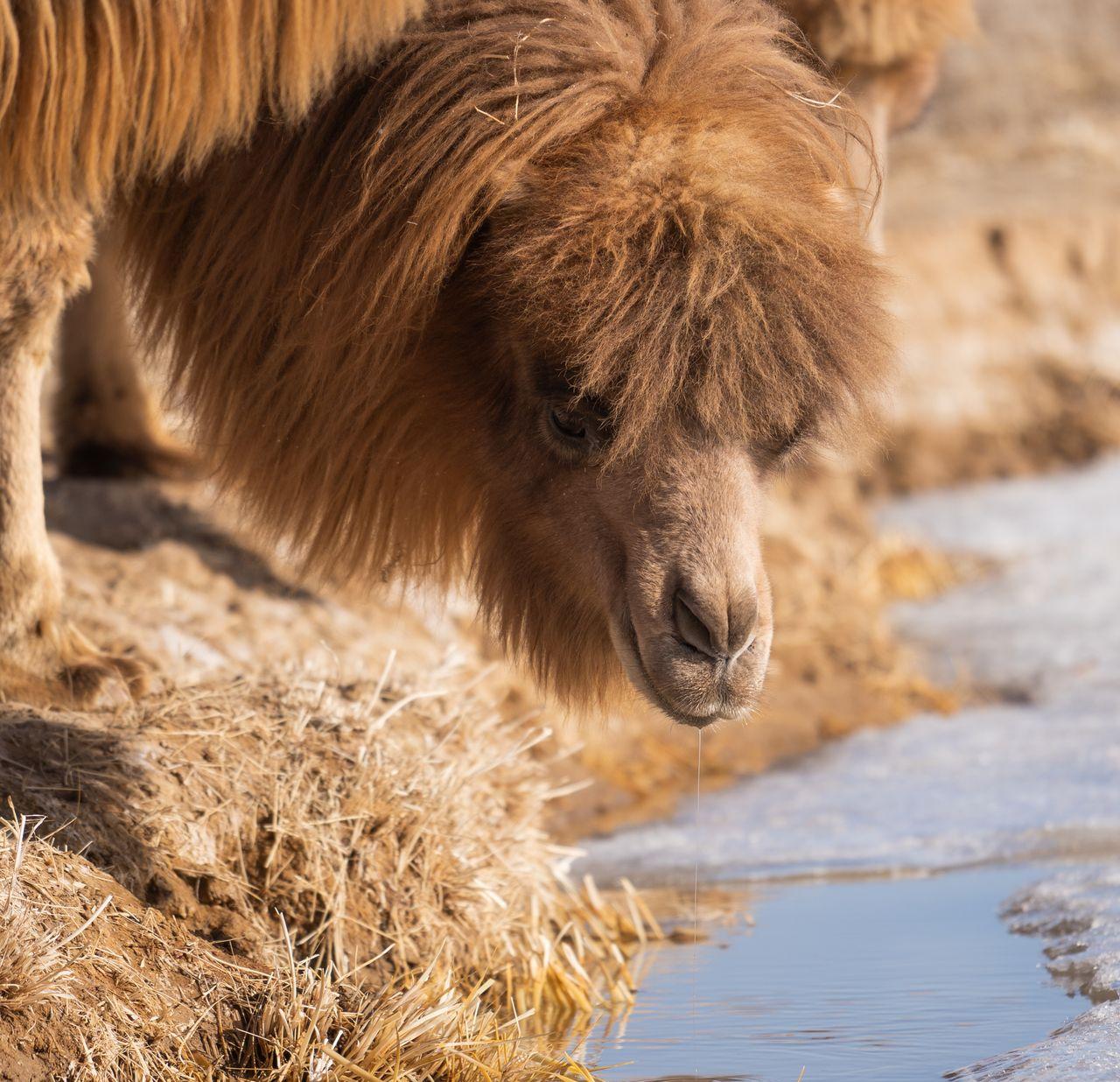
Camels are very social animals that live in groups led by a male. This allows camels to protect themselves from predators and survive better in the extreme living conditions of the desert. Camels are also extremely adaptable in the face of extremely harsh temperature changes and climatic conditions. Over thousands of years, camels have adapted so that their wool protects them from extreme temperature fluctuations. Camel wool regulates body temperature in spring, autumn and winter. In summer, camels shed their wool in tufts.
Camels are true masters of adaptation
Camels have also adapted physically to their habitat. A camel can close its nostrils during a sandstorm to protect itself from grains of sand. Their wide feet give them a better grip when travelling in open stretches of the mongolian desert without sinking in. In addition, camels can regulate their metabolism and thus save valuable energy. These animals are also able to drink astonishing amounts of water at once and store it in their bodies for weeks. For these reasons, 2024 was named the International year of the camilide by the United Nations proclaimed to highlight the need for adaptation in the face of harsh living conditions caused by the consequences of climate change.
Camels and nomads
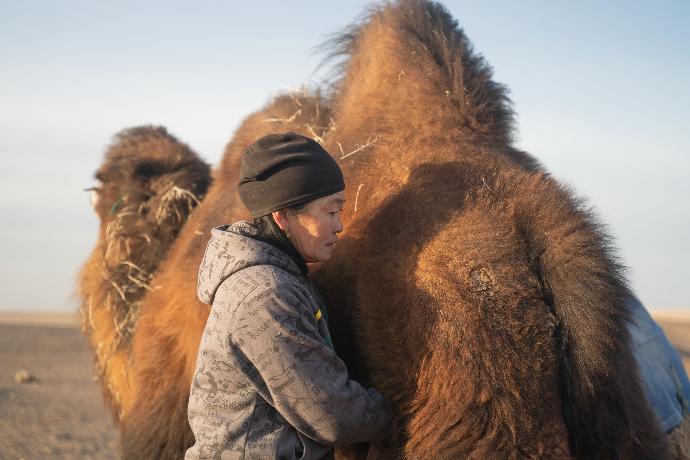
Most camels in Mongolia live in close cooperation with nomadic families. A small exception are camel populations in the biosphere reserves of the Gobi Desert, which live as wild animals independent of human animal husbandry.
Camels as livestock
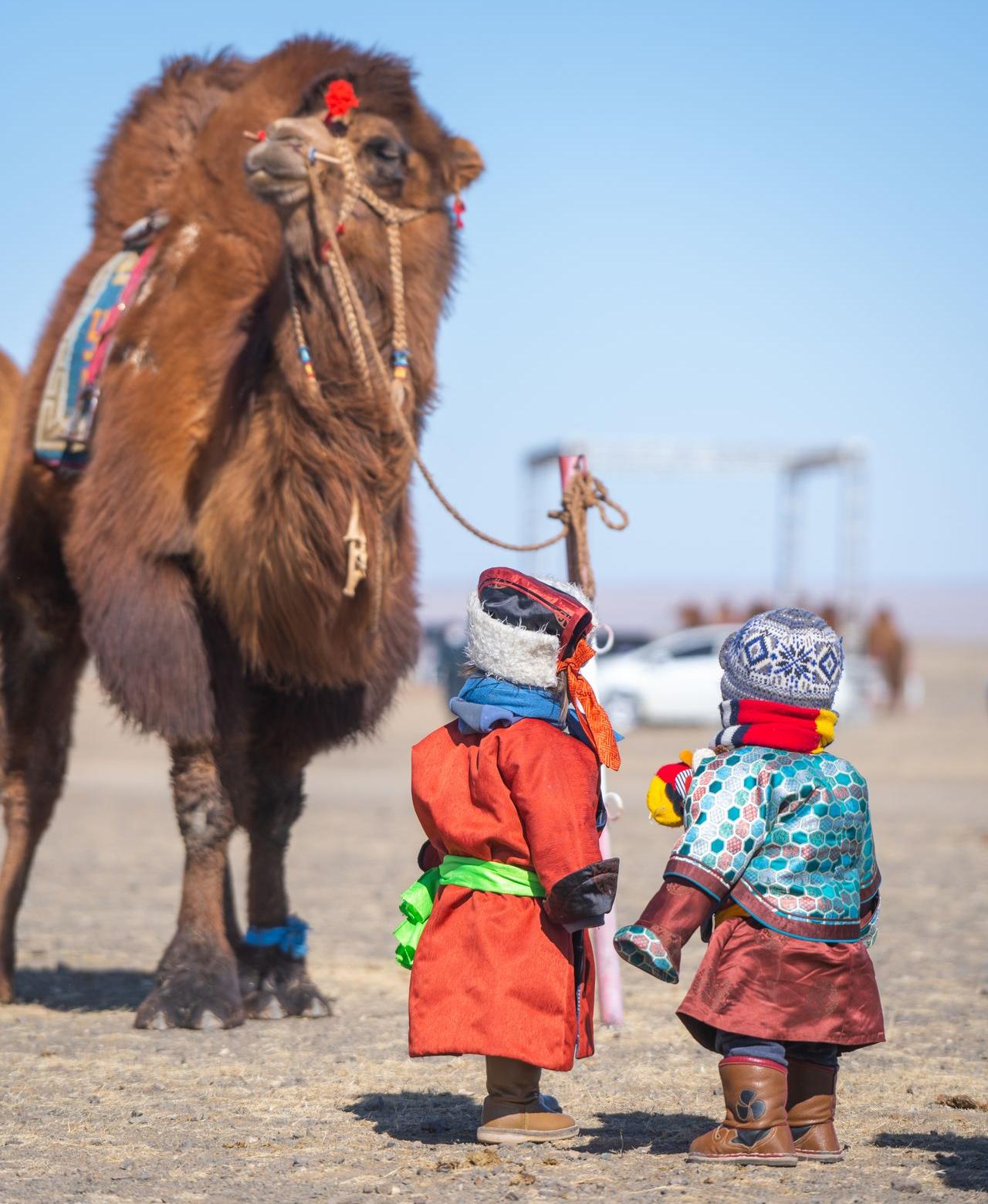
Camels serve as a means of transport for nomads and are an important livestock animal for survival in the desert. Camels provide milk, meat, and wool, which play an important role in the traditional way of life of Mongolian nomads. The milk is often fermented and consumed as a long-lasting food. Camel meat is extremely valuable, as the animals are only slaughtered very rarely. Camels are usually the most valuable animals in a nomadic family, as they provide wool and milk for years, helping families get through the winter.
Nomadic lifestyle
The nomadic camel herders of Mongolia move their camel herds from one pasture to the next. The animals set the pace: as soon as they have to walk too far to find new grass, the yurt is packed up and the herd and its nomads move on.
This traditional way of life is adapted to the conditions of the Mongolian landscape and enables camel herders to provide their animals with a steady supply of food. In winter, longer-term stays are often arranged in more fortified camps. In extreme cold, nomads ensure the safe survival of their animals in this way.